

Essential Tips for Maintaining Foot Health: Tips for Healthy Feet
- Mar 24
- 3 min read
Maintaining foot health is crucial for overall well-being, especially for those experiencing foot and ankle pain. Healthy feet support mobility, balance, and daily activities. Neglecting foot care can lead to discomfort, chronic pain, and more serious conditions. This article provides essential tips for healthy feet, focusing on practical advice and clear explanations to help maintain foot health effectively.
Understanding the Importance of Foot Care
Feet carry the entire body weight and endure constant pressure and stress. Proper foot care prevents common problems such as blisters, calluses, fungal infections, and structural issues like bunions or plantar fasciitis. Regular attention to foot health can reduce pain and improve quality of life.
Foot problems often start with small issues that worsen over time. Early detection and treatment are key. For example, wearing ill-fitting shoes can cause deformities and chronic pain. Understanding the anatomy of the foot and how it functions helps in making informed decisions about footwear and care routines.
Practical Tips for Healthy Feet
Taking care of your feet involves daily habits and occasional professional care. Here are some practical tips for healthy feet:
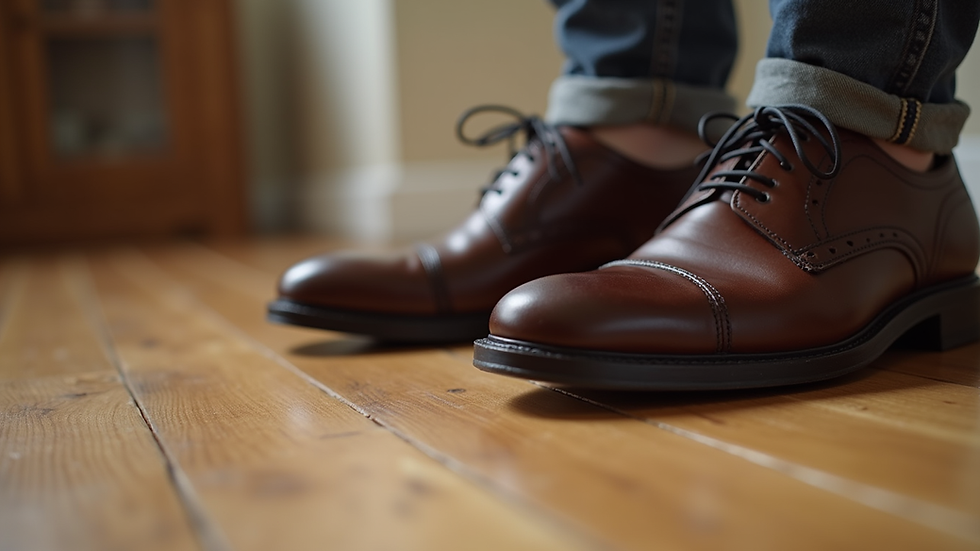
Choose Proper Footwear: Shoes should fit well, provide adequate support, and have enough room for toes to move. Avoid high heels and narrow shoes that compress the foot.
Keep Feet Clean and Dry: Wash feet daily with mild soap and dry thoroughly, especially between toes, to prevent fungal infections.
Moisturize Regularly: Use a foot cream to prevent dry, cracked skin but avoid applying lotion between toes to reduce the risk of fungal growth.
Trim Toenails Correctly: Cut nails straight across to prevent ingrown toenails. Avoid cutting too short or rounding the edges.
Inspect Feet Daily: Look for cuts, blisters, redness, or swelling. Early detection of issues can prevent complications.
Wear Socks Made of Breathable Materials: Cotton or moisture-wicking socks help keep feet dry and reduce irritation.
Alternate Shoes: Avoid wearing the same pair every day to allow shoes to air out and reduce bacteria buildup.
Managing Foot Pain and Preventing Injuries
Foot and ankle pain can arise from overuse, injury, or underlying medical conditions. Managing pain effectively requires understanding its cause and applying appropriate measures.
Rest and Elevation: Reducing weight-bearing activities and elevating feet can decrease swelling and pain.
Ice Therapy: Applying ice packs for 15-20 minutes several times a day helps reduce inflammation.
Stretching and Strengthening Exercises: Regular exercises improve flexibility and strengthen foot muscles, reducing the risk of injury.
Use Orthotic Inserts: Custom or over-the-counter orthotics can provide additional support and correct abnormal foot mechanics.
Avoid Walking Barefoot on Hard Surfaces: This can increase stress on the feet and lead to pain or injury.
Seek Professional Evaluation from Dr. Martins: Persistent pain or deformities require assessment by a foot and ankle specialist to determine the best treatment.

When to Seek Professional Foot Care
Not all foot problems can be managed at home. Certain signs indicate the need for professional care:
Persistent or worsening pain
Open wounds or ulcers that do not heal
Signs of infection such as redness, warmth, or pus
Numbness or tingling sensations
Structural deformities affecting walking or balance
Chronic conditions like diabetes that increase risk of complications
A foot and ankle specialist can provide personalized treatment plans, including physical therapy, medication, or surgical options if necessary. Early intervention often prevents more serious issues and promotes faster recovery.
Lifestyle Habits That Support Foot Health
In addition to direct foot care, lifestyle choices impact foot health significantly. Maintaining a healthy weight reduces pressure on feet and joints. Regular physical activity improves circulation and muscle tone, which supports foot function.
Nutrition also plays a role. A diet rich in vitamins and minerals supports skin health and tissue repair. Staying hydrated helps maintain skin elasticity and prevents dryness.
Avoid smoking, as it impairs blood flow to the extremities, increasing the risk of foot problems. Managing chronic conditions such as diabetes and arthritis is essential to prevent complications affecting the feet.
Maintaining Foot Health for Long-Term Mobility
Consistent care and attention to foot health contribute to long-term mobility and independence. Incorporating these tips into daily routines helps prevent common foot problems and manage existing conditions effectively.
Personalized advice and treatment from Dr Martins ensure that foot care is tailored to individual needs, promoting a pain-free and active lifestyle.
Taking proactive steps today can prevent future complications and improve overall quality of life. Healthy feet are the foundation of a healthy body.


Comments